
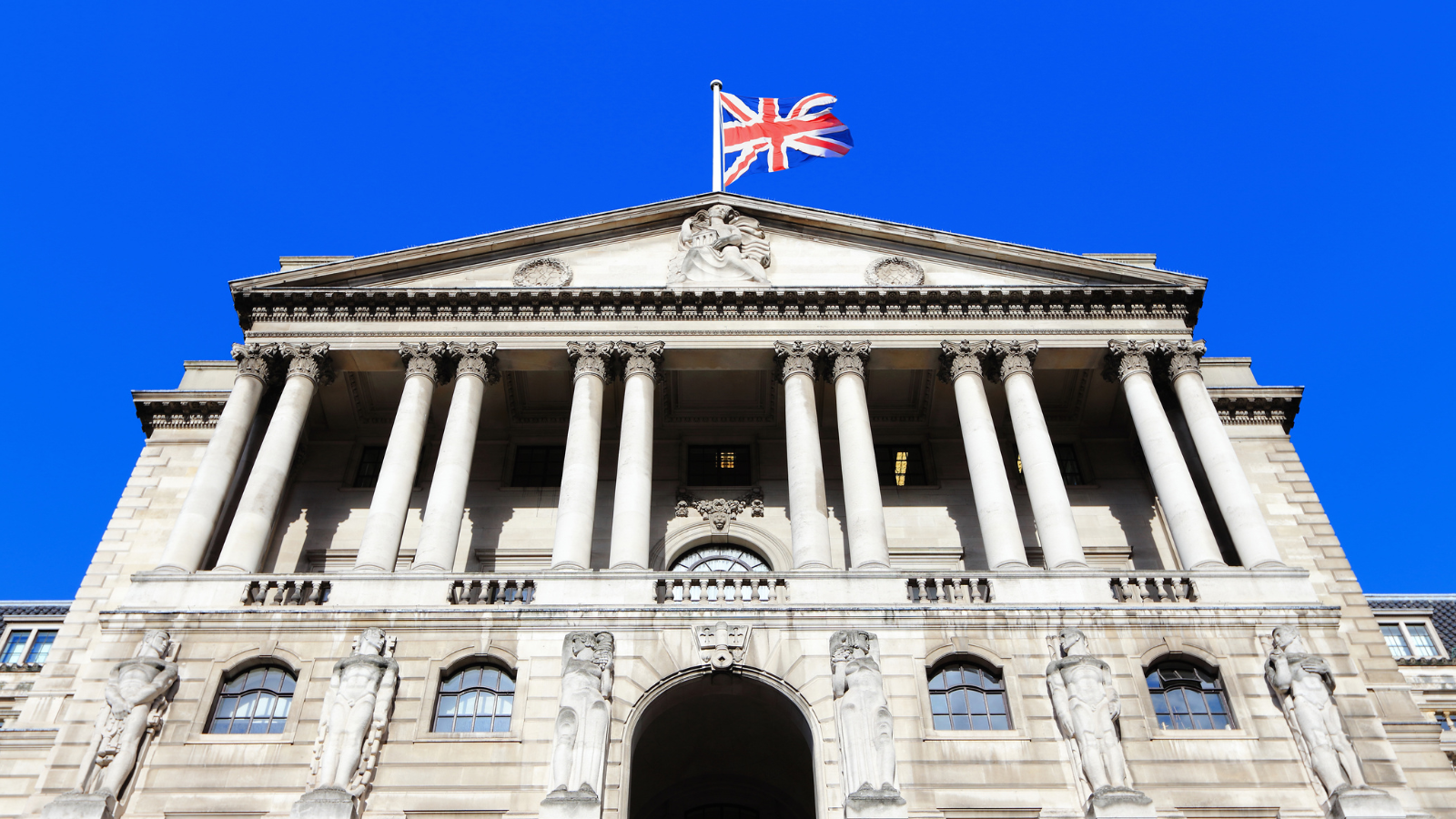
The Bank of England has voted to cut interest rates again to four per cent.
This is the fifth reduction in interest rates this year, following the decision to decrease interest rates to 4.25 per cent in May.
Four per cent is the lowest interest rates have been since March 2023, so this is a significant move that will bring relief for many SMEs.
However, it is still important to remain cautious amid other rising costs.
The higher the interest rates, the more money you pay on your debts (such as loans, overdrafts, and credit cards). Equally, many of your customers will also face higher costs on their debts.
Due to this and other economic conditions, your customers are likely to cut back on spending, which in turn can further restrict your cash flow and investment plans.
That’s why lower interest rates are typically of benefit to both businesses and their customers.
When the interest rate drops, it becomes cheaper to borrow and easier to pay back loans.
Lower interest rates should, therefore, offer an incentive to borrow and invest in your business.
Your customers and clients will likely have more money to spend once interest rates fall and the inflationary pressure on your employees’ wages should decline, helping you to manage costs.
If your business has loans tied to the Bank of England’s base interest rate, or if you are considering new finance, then your monthly costs could shrink.
That could free up cash to invest in equipment, staff or strategic expansion.
Now is the time to revisit any deferred investment plans and reconsider them in light of the recent interest rate cut.
However, it is important to keep your options open.
Flexible finance or staged spending may offer more protection than locking in with investment too soon.
Not all businesses will feel the effect of an interest drop equally.
The property and construction industries are likely to benefit as lower rates reduce mortgage costs and spur demand.
However, retailers may still face weak consumer confidence in the face of inflation, despite cheaper credit.
Lower rates are designed to encourage business activity, but it is not simply a case of “cheaper is better.” What really matters is timing, context and your appetite for risk.
Further reduction in interest rates is likely to be slow, despite the Government’s aim to bring the interest rate down to two per cent.
This means businesses are still going to be experiencing high-interest rates for the foreseeable future.
That’s why it is important to continue to build financial resilience.
An experienced accountant can also help you adapt to new market opportunities as interest rates fall and ensure you have the capital needed for your business to grow and thrive.
For tailored advice on how the Bank of England’s interest rate cut affects you, please contact our friendly team today.
October 22, 2026
The highlight of the financial calendar, the 2026 Autumn Budget, is nearly upon us and employers and employees alike are…
Read MoreOctober 22, 2026
The so-called mansion tax is already beginning to have an impact on the UK housing market, despite the surcharge not…
Read MoreOctober 22, 2026
Reforms to the Benefits in Kind (BIK) system have continued to change in recent years, as the Government prepares to…
Read More